- Thornhill Farm, 6023 Theunissen Rd, KwaDukuza, 4449
- info@drmgarnetmsomi.co.za

Menopause symptoms
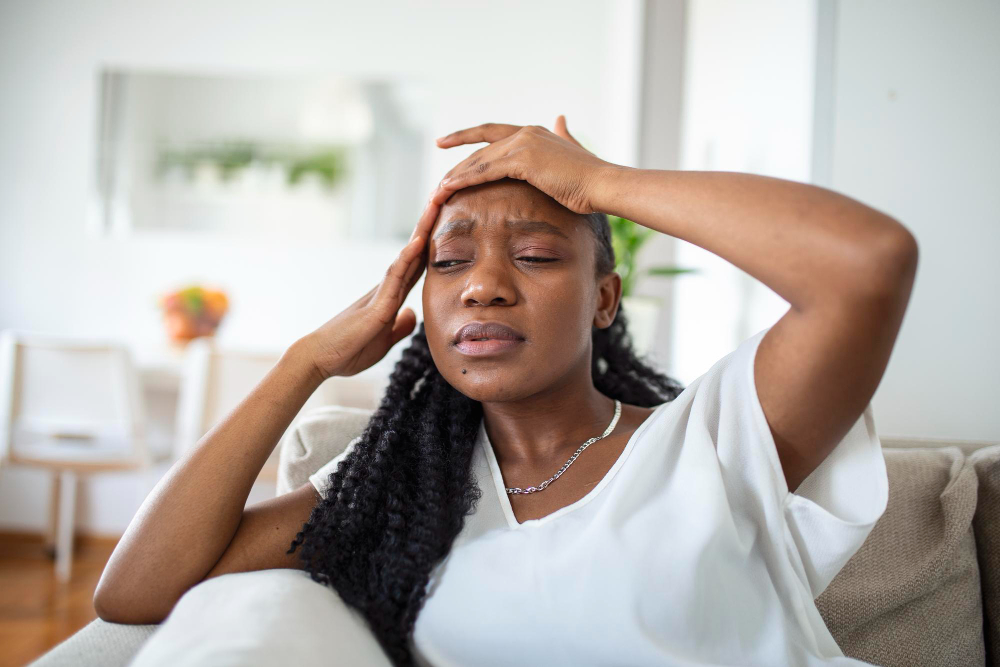
Menopause is a natural biological process that marks the end of a woman’s reproductive years. While it is a normal part of aging, the transition can bring about a range of physical and emotional changes. For many women, menopause symptoms can be challenging, impacting their daily lives in various ways. In this article, we will explore what menopause is, common menopause symptoms, and how to manage them effectively.
What is Menopause?
Menopause is defined as the point in a woman’s life when she has not had a menstrual period for 12 consecutive months. It typically occurs between the ages of 45 and 55 but can happen earlier or later for some women. The transition to menopause is known as perimenopause, which can last several years. During this period, hormone levels fluctuate, leading to the onset of menopause symptoms.
Common Menopause Symptoms
Menopause affects every woman differently. Some may experience only mild symptoms, while others may face more severe challenges. Here are some of the most common menopause symptoms that women experience during this transition:
Hot Flashes
One of the most well-known menopause symptoms is hot flashes. These sudden feelings of intense heat can last anywhere from a few seconds to several minutes. Hot flashes are often accompanied by sweating and a flushed face and can occur multiple times throughout the day or night.
Night Sweats
Night sweats are hot flashes that occur while you’re sleeping, leading to excessive perspiration and disrupted sleep. For many women, night sweats are one of the more uncomfortable menopause symptoms because they interfere with restful sleep and can leave you feeling tired the next day.
Mood Swings
Another common symptom during menopause is mood swings. Hormonal changes can lead to irritability, anxiety, and even depression. Women going through menopause may find themselves feeling more emotional than usual, with sudden changes in mood that can be hard to manage.
Irregular Periods
During perimenopause, the months leading up to menopause, it is common for periods to become irregular. Some women may experience heavier or lighter bleeding, and the length of their menstrual cycles may vary. Skipping periods or having them come closer together are also typical menopause symptoms.
Vaginal Dryness
Vaginal dryness is one of the menopause symptoms that can impact a woman’s sexual health. As estrogen levels decline, the vaginal tissue becomes thinner and less lubricated, leading to discomfort or pain during intercourse. Vaginal dryness can also increase the risk of urinary tract infections (UTIs).
Sleep Disturbances
Many women report difficulty sleeping during menopause. Whether it’s due to night sweats or general restlessness, sleep disturbances are a frequent complaint. Insomnia can be one of the more frustrating menopause symptoms, as it often leads to fatigue, irritability, and difficulty concentrating during the day.
Weight Gain and Metabolism Changes
As women age and approach menopause, metabolism tends to slow down, leading to weight gain, particularly around the abdomen. This is a common but often unwelcome menopause symptom. Hormonal fluctuations can also contribute to increased fat storage and reduced muscle mass.
Other Menopause Symptoms
While the symptoms listed above are the most common, there are several other menopause symptoms that women may experience:
- Hair thinning: Due to hormonal changes, some women may notice hair thinning or loss.
- Memory problems: Many women report “brain fog” or difficulty focusing during menopause.
- Dry skin: Skin can become drier and more prone to itching or irritation during menopause.
- Decreased libido: Hormonal changes can also lead to a decrease in sexual desire.
- Joint and muscle aches: Many women experience increased joint pain or muscle stiffness.
How to Manage Menopause Symptoms
While menopause symptoms are a natural part of aging, there are several ways to manage them and improve your quality of life during this transition. Here are some effective strategies:
Hormone Replacement Therapy (HRT)
Hormone Replacement Therapy (HRT) is a common treatment for menopause symptoms. It involves replacing the hormones that your body is no longer producing to help relieve symptoms like hot flashes, vaginal dryness, and mood swings. However, HRT is not suitable for everyone, so it’s essential to consult with a healthcare professional before starting treatment.
Lifestyle Changes
For many women, simple lifestyle changes can make a significant difference in managing menopause symptoms:
- Exercise regularly: Physical activity can help manage weight gain, improve mood, and alleviate joint pain.
- Eat a balanced diet: A diet rich in fruits, vegetables, whole grains, and lean proteins can help support overall health and alleviate symptoms like weight gain and fatigue.
- Stay hydrated: Drinking plenty of water can help with vaginal dryness and maintain healthy skin.
- Practice relaxation techniques: Meditation, yoga, and deep breathing exercises can help manage stress and mood swings.
- Maintain a regular sleep schedule: Establishing a bedtime routine can help improve sleep quality and reduce night sweats.
Non-Hormonal Medications
For women who cannot or prefer not to use hormone therapy, there are several non-hormonal medications available to manage menopause symptoms. Antidepressants, for example, are sometimes prescribed to help with mood swings and hot flashes. Vaginal moisturizers and lubricants can help alleviate vaginal dryness.
Herbal Remedies and Supplements
Many women find relief from menopause symptoms by using herbal remedies or supplements. Some popular options include:
- Black cohosh: Often used to reduce hot flashes and night sweats.
- Soy: Contains plant estrogens (phytoestrogens) that may help balance hormones.
- Calcium and Vitamin D: Important for maintaining bone health as estrogen levels drop.
Always consult with a healthcare provider before starting any new supplements, as they may interact with other medications.
When to See a Doctor
While menopause symptoms are a natural part of aging, it’s essential to seek medical advice if you are experiencing severe symptoms that impact your quality of life. If you have concerns about irregular bleeding, mood changes, or any other symptoms, speak with a healthcare provider. They can help develop a treatment plan tailored to your needs and ensure that any other potential health issues are addressed.
Embracing Menopause
Menopause is a significant life transition that every woman goes through. While menopause symptoms can be challenging, it’s important to remember that this stage of life also brings new opportunities for growth and self-care. By understanding the changes happening in your body and seeking the right support, you can navigate menopause with confidence and grace.
Conclusion
Menopause symptoms can vary widely from woman to woman, but with the right knowledge and management strategies, you can minimize their impact on your daily life. Whether through lifestyle changes, medical treatment, or simply understanding what your body is going through, there are many ways to embrace this new chapter of life.
If you’re experiencing menopause symptoms and need guidance, don’t hesitate to reach out to a healthcare provider. Remember, you’re not alone in this journey – support and relief are available. Contact Dr Msomi today


Get in Touch
We are here to address your obstetric and gynaecological needs.

Emergency Contact
- Free Call 24/7
- 073 482 5013

Hospital Location
- Mon - Friday : 8am - 4pm | Sat - Sun : 9am - 12pm
- Thornhill Farm, 6023 Theunissen Rd, KwaDukuza, 4449

Phone Contact
- Within Working Hours
- 073 482 5013